Progress, Power, Purpose: Torey Dolan (’19)

Women's History Month

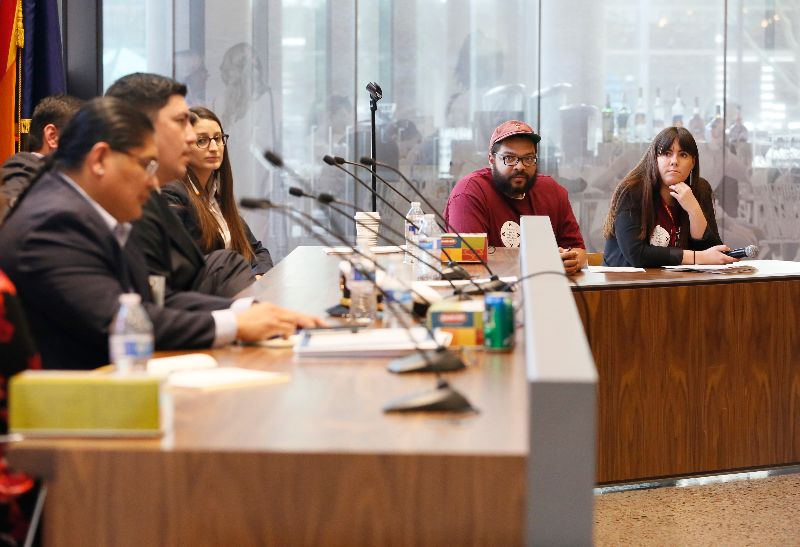
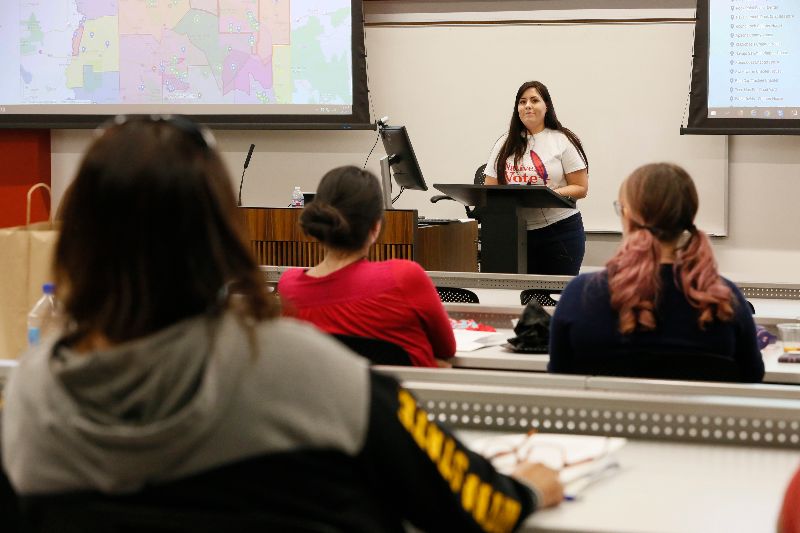
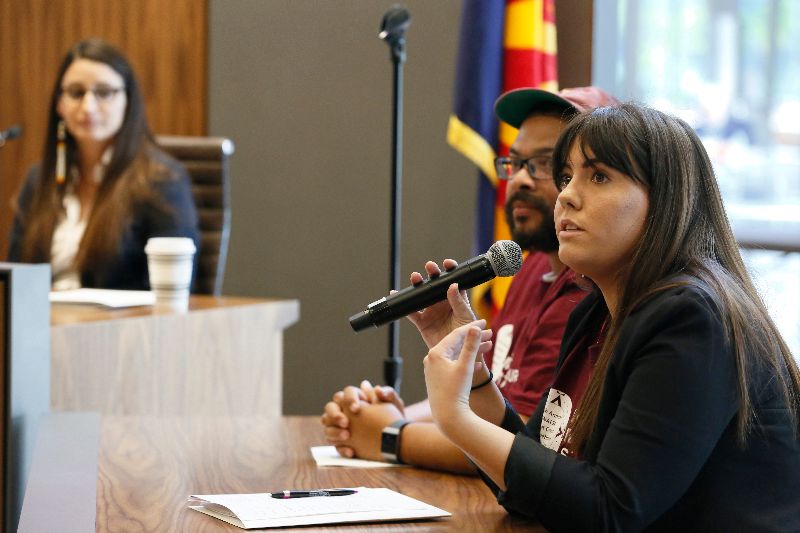
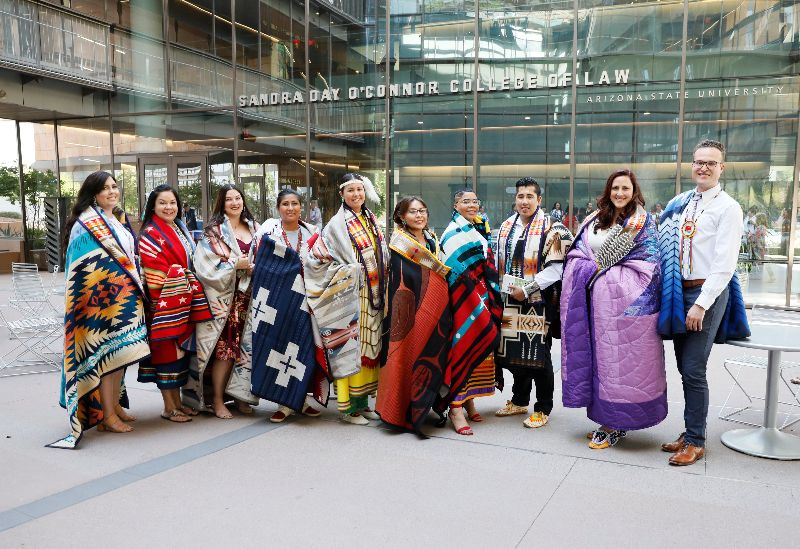
In celebrating “Women’s History Month,” we turned to some of the women of the ILP to shed light on Native women legal professionals and advocates in this Progress, Power, Purpose series. This brilliant Choctaw woman is a great advocate for all things Native Vote and an asset to the program, especially the Indian Legal Clinic. Here Torey reflects on her law school memories and the meaning of her work. 

Q: What does your position entail?
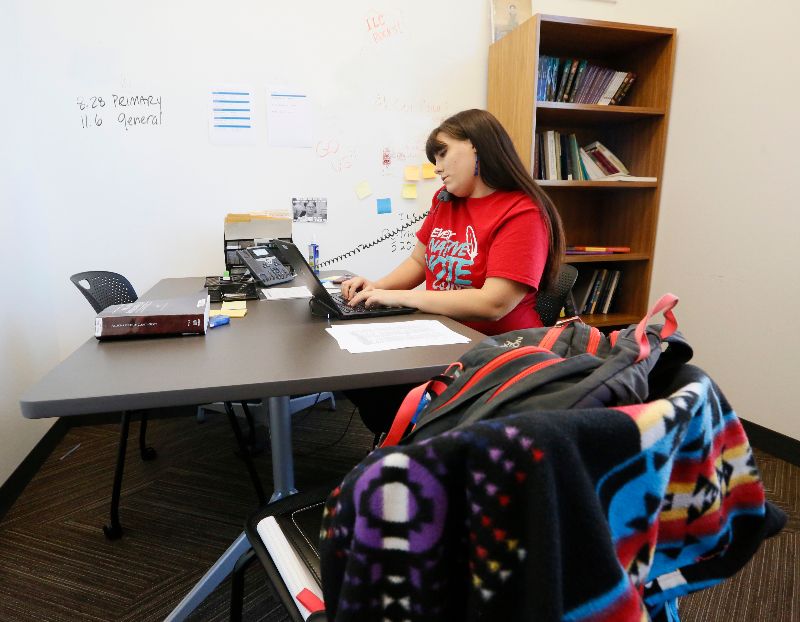
A: I am the Native Vote Fellow in the Arizona State University Indian Legal Clinic – I work full time issues related to Voting Rights for Native Americans in the State of Arizona. I work directly with Tribes, County, and State Officers on voting issues as well as educate the public about barriers that Native Americans face. I also worked on the Arizona Native Vote Election Protection Project in the 2020 Election Cycle to advocate for Tribes to retain access to voting, answered calls to the Arizona Native Vote Election Protection Hotline, coordinated Election Protection Volunteers on election day, and we collected data on the barriers that Native Americans faced when voting. 

Q: Were you always interested in this kind of work?
A: No. I’ve always been interested in Civil Rights, but never thought about issues related to voting rights. It wasn’t until I was a student in the ASU Indian Legal Clinic working on the Arizona Native Vote Election Protection Project that I realized this is an ongoing area of civil rights struggle that needs attention. It was then I became passionate about the work. 

Q: What advice do you have for Native American women who want to work in this area?
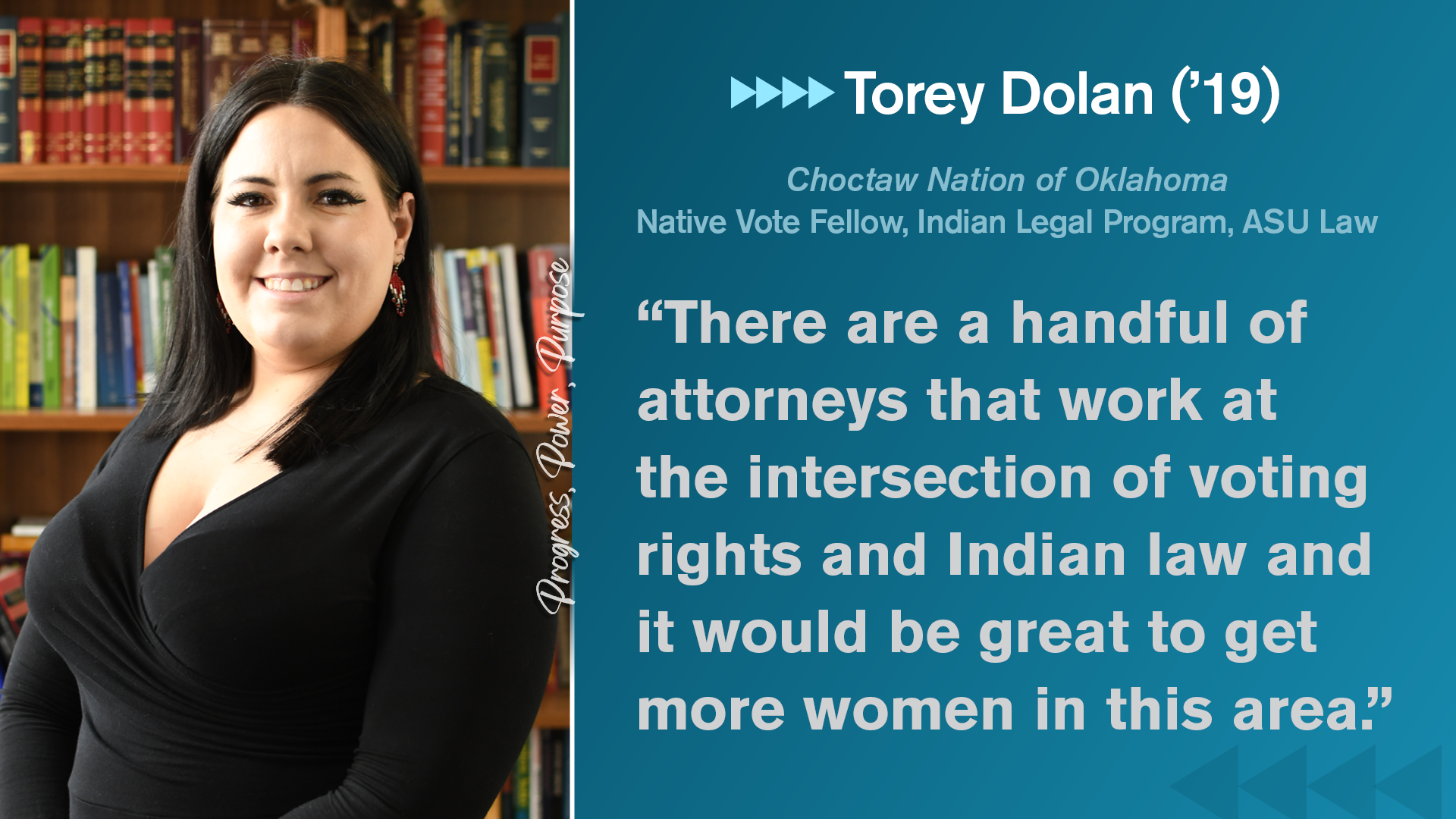
A: Just do it! There are a handful of attorneys that work at the intersection of voting rights and Indian law and it would be great to get more women in this area. Start by networking and reaching out.

Q: What is your proudest career moment?
A: On election day, through our hotline and our volunteers we learned that polling locations on the Navajo Nation did not open on time and was opened an hour late. During election day, we worked on preparing a case along with the ACLU to go to court to keep the polls open longer at the end of the day to make up for lost time. We successfully got the court order. When a voter went to vote during the extended hour the poll workers attempted to turn her away, but our volunteer encouraged her to stay as she called the hotline. I answered the hotline call and explained to the voter that she had the right to vote because of the court order. We stayed on the phone talking to the voter and poll worker, alerted the Navajo Nation Department of Justice, the Secretary of State, and the Apache County Election’s Department. We were adamant. Ultimately, the county got in touch with the poll workers and the county instructed them to let the voter cast a ballot. It was a day’s worth of work to get the court order and because of our volunteers, our team, and our efforts we were able to ensure that person voted.

Q: Is there anything you’ve learned after graduating that you wished you learned in class?
A: I wish I had learned more about counseling Tribal clients when it comes to deciding when to file a lawsuit and when to pursue other diplomatic channels to solve disputes. As Native people, we know that you can be right on the law and still lose in court due to bias. Tribal governments must balance a lot of factors when deciding whether to pursue legal action, so I wish I had more experience in addressing those various concerns before graduating.

Q: What is the most valuable lesson you learned in the classroom that has helped you in your career?
A: I’m very grateful that my Indian Law professors repeatedly emphasized the nature of jurisdiction on Indian reservations. I feel comfortable analyzing state law and how it impacts Native Americans living on Tribal lands because I know the in’s and out’s of state jurisdiction on Tribal lands thanks to my professors.

Q: What is your advice for current students?
A: Get to know your professors and the people in your community. Indian law is a small field and the people around you have a wealth of knowledge. These are people that will go on to be your mentors, colleagues, adversaries in court, or just lifelong friends. Get to know them, and remember, when someone helps you make sure you help them down the road.

Q: Who are three Native American women law professionals and/or advocates who should be on our radar right now?
A: Sarah Crawford (’19), Blair Tarman (3L), and Rellani Ogumuro (’19)

    • Sarah Crawford has been working in Washington D.C. as an attorney at a boutique law firm that was able to help the Little Shell Band of Chippewa achieve federal recognition and is now working with them as they build their government with more capacity in their transfer from state recognized to federally recognized. I think she is very efficient in advocacy and has tremendous personal and professional knowledge of bridging the gaps between Tribal governance and federal advocacy.
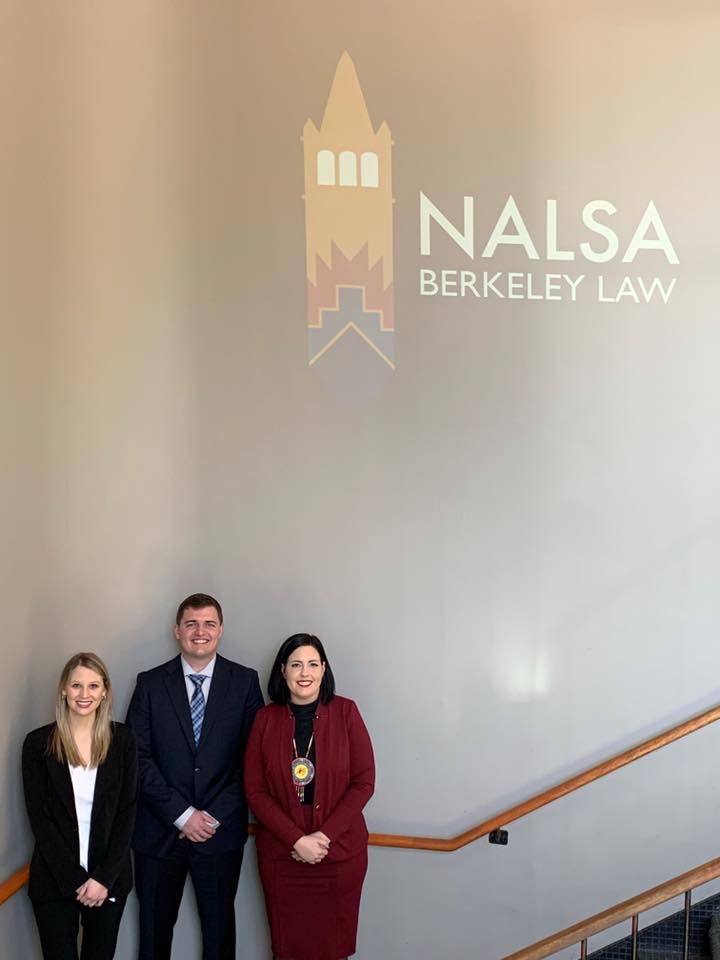
    • Blair Tarman is a 3L this year in the Indian Legal Program. I was her moot court coach for the 2020 competition and was continually blown away by her work ethic, her humility, and most of all her intelligence. As a clinic student, Blair was consistently reliable and constantly striving to achieve more. I’m excited to watch her enter the Indian law profession because I know she is going to grow into a formidable advocate and I’m excited to see everything she will do for Indian Country.
    • Rellani Ogumuro is intelligent, kind, pragmatic, and passionate. She is the first person I ever met who was indigenous to a Territory of the United States and not a state. I know she has a deep love for the people of Saipan and the land and as an advocate has always talked about using her career to serve her people. I believe that she will go on to change this country’s understanding of its relationship to the people of Saipan, the Mariana Islands, and all people Indigenous to U.S. Territories.

Q: Favorite law school memory.
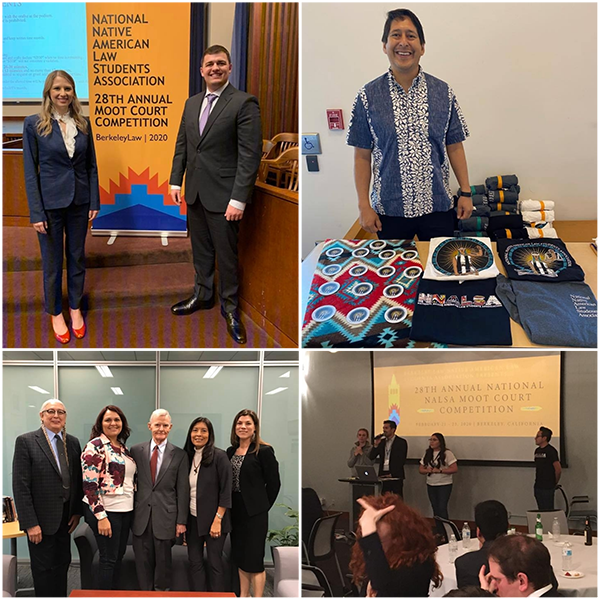
A: Doing moot court in 2019 with Sarah Crawford, Ana Laurel, and Meredith Duarte. We put in a lot of work, Sarah and I did not advance, but we all became really close and the friendship I have with them is an important part of my life and something I’m grateful for every day.

Review Torey’s publications:

  • “Voting in Our Voices” article
  • Co-authored “The Indian Law Bombshell: McGirt v. Oklahoma” article
Continue to Progress, Power, Purpose series.

________

Danielle Williams
Program Coordinator, Indian Legal Program, ASU Law

Networking with Lewis and Roca

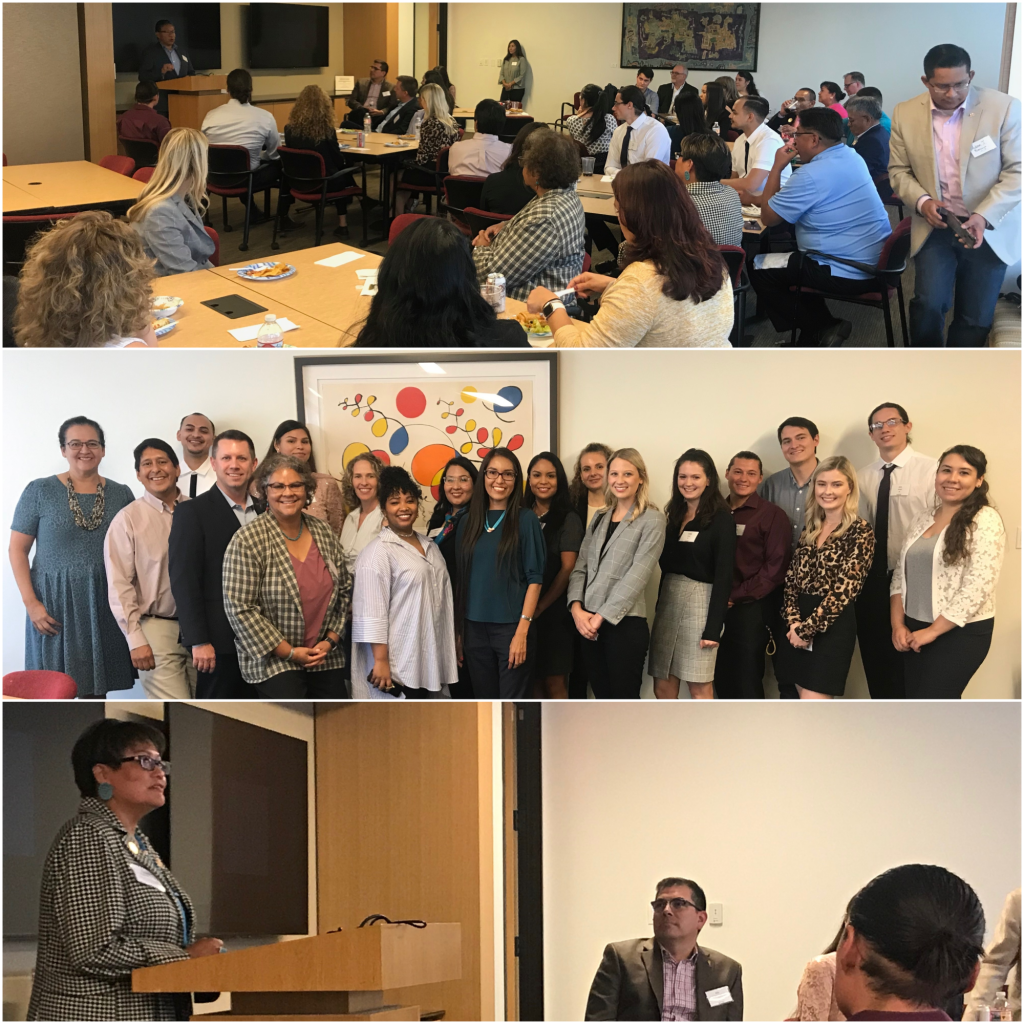
On Sept. 27, Lewis Roca Rothgerber Christie LLP invited the ILP to their firm for a lunch presentation. Along with our ILP staff and students, we saw some familiar ILP family faces like Peter Larson (’02), Professor Pilar Thomas and Navajo Nation Attorney General Doreen McPaul (’01). Among Council Delegates, Eugenia Charles Newton (Council Delegate, Navajo Nation; Chairwoman, Law and Order Committee at Navajo Nation) spoke at the presentation. 

Aspen Miller (2L) commented on her experience, “I am Navajo and it was great to hear from my elders and leaders about their journey and experience dealing with law. It reminded me that so many options are available in practicing law. Any experience gained or skills developed can be brought back to benefit.”

We appreciate Lewis Roca Rothgerber Christie LLP for hosting us!

Job Opportunity – Practicing Attorney & 3Ls

Job Description: The Gallup Office of the New Mexico Law Office of the Public Defender is hiring both practicing attorneys and 3Ls interested in a career in indigent defense. Depending on experience, the attorney would be expected to handle a wide variety of misdemeanor and/or felony cases, meeting with clients, interviewing witnesses, developing strategy, researching, briefing, and arguing motions, and conducting jury trials. Additionally, consistent with our offices belief in holistic representation, attorneys would be expected to assist our on-site case manager with the social needs of our clients, including addiction recovery, mental health, and familial relations, as they relate to our clients’ cases. Expect significant responsibility and trial experience early and often. Few public defender offices in the country can offer the sort of experience that our newer attorneys get on a regular basis.

Gallup is a small city in western New Mexico on the border of the Navajo Nation and the Zuni Pueblo. Approximately 75% of the people in the county (and therefore, our clients) are Native American. Thus, in addition to the typical slate of criminal law issues that most public defenders face, our cases often involve complex and sensitive issues of Federal Indian Law.

Located in the high desert of the Colorado Plateau, Gallup enjoys easy access to world class (and uncrowded) hiking, fishing, biking, camping, climbing, skiing, and other outdoor recreation. It is a world-renowned capital of Native American arts and culture, home of the Gallup Indian Ceremonial every year in August.

Minimum Qualifications: For practicing attorneys, being a member in good standing of any state’s bar and willing to obtain a Limited License to practice from the New Mexico Supreme Court.  For current 3Ls, a willingness to take the New Mexico Bar Exam.

To Apply: A full description of the position for practicing attorneys is available here.

Share on facebook
Share on google
Share on twitter
Share on linkedin

Professional Development Panel

ASU NALSA collaborated with NABA-AZ to host a NABA-AZ Professional Development Panel for law students.

Theresa Rosier (’98), Katosha Nakai (’03), Kevin Pooley (’15) and Denton Robinson shared tips on networking and employment in Indian Country with our current students. Thank you for coming to speak to our students! 

Job Opportunity – D.C. Associate

Rosette, LLP, is seeking a motivated candidate to serve as an attorney in its Washington, D.C. office to handle a wide variety legal issues affecting Indian tribes. The firm specializes in representing federally recognized Indian Tribes and their governmental agencies throughout the country. Knowledge and interest in issues affecting Indian Country – including federal legislative and policy issues – is strongly preferred.

Competitive salary and benefits, including health care, 401k, and paid time off.

Qualified interested candidates should respond to this posting via e-mail to Saba Bazzazieh at: sbazzazieh@rosettelaw.com and include a cover letter, resume, writing sample, and salary requirements.

See more information here.

Share on facebook
Share on google
Share on twitter
Share on linkedin

Promoting Excellence in Diversity

On Feb. 15, Professor Patty Ferguson-Bohnee was honored as one of five recipients of the American Bar Association’s 2020 Spirit of Excellence award in Austin, Texas. This title is awarded annually to legal professionals that demonstrate excellence and commitment to diversity in law. We are so proud that she is a part of our program, and we are grateful to the ILP alumni and friends who came to support her achievement. Congratulations! 

“I realize that the opportunities I’ve had resulted from the work and sacrifice of a lot of people who fought for those opportunities. That’s why I spend a lot of time giving back to my tribe and serving my tribe in a pro bono capacity. I think it’s awesome because I feel that when I do things, I’m not just representing myself, but I am also representing my family, my tribe and where I come from.” 

Read more here or here

Job Opportunity – Staff Attorney

Job Summary: Acts as counsel for the Tribe and arms of Tribal government.  Works with a high degree of independence coordinates with the Tribal Attorney and senior attorneys in the Tribal Attorney’s Office as necessary. 

Location: Grand Ronde, OR

Closing date: 02/27/2020

Qualifications, Registrations, and Certification:

  • Requires knowledge of Indian and Tribal law and applicable federal and state laws.

  • Requires knowledge of and sensitivity to Native American culture.

More information here.

Share on facebook
Share on google
Share on twitter
Share on linkedin

Job Opportunity – Law Clerk PT

The Mille Lacs Band Tribal Court is looking to hire a part-time judicial law clerk. We are set up so that the individual can work remotely through secure connections, if need be. This is one of the busiest tribal courts I’ve experienced. Extremely competent and friendly judges and staff.

OPEN DATE: Jan 21, 2020

CLOSE DATE: Until filled

SUMMARY: The parttime Law Clerk is responsible for assisting the Tribal Court judiciary with legal research, drafting of court decisions and special court development projects. Work will be performed remotely from 16 to 20 hours a week with initial and periodic meetings at the work site (Tribal Court) with District Court Judge and/or Staff Attorney.

See full job description here.

Share on facebook
Share on google
Share on twitter
Share on linkedin